
Digitizing Mental Health Information Systems in Embu County
Mental health is increasingly being recognized as a critical public health priority in Embu County and across Kenya. As demand for services grows, effective care depends not only on the availability of healthcare workers but also on systems that support accurate documentation, reporting, and follow-up. Reliable mental health data enables better planning, budgeting, and resource allocation while helping ensure that people seeking care do not fall through gaps in the health system.
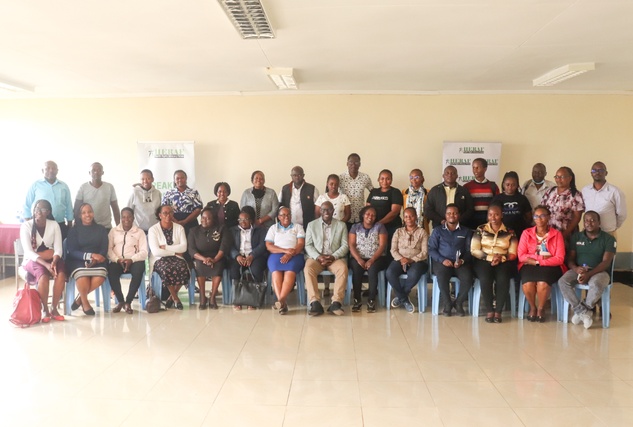
It was against this backdrop that the Health Rights Advocacy Forum (HERAF), in partnership with the Embu County Government, conducted a TaifaCare on-boarding training for healthcare workers at Embu Level 5 Hospital on 17 September 2026. Implemented through HERAF’s Mental Health Integration Project and supported by Comic Relief, the training aimed to strengthen healthcare workers’ capacity to document and report mental health services using TaifaCare, Kenya’s digital health platform.
The activity brought together HERAF programme staff, healthcare workers trained on the Mental Health Gap Action Programme (MhGAP), newly deployed health workers, Health Records and Information Officers (HRIOs), and sub-county health leadership. Beyond introducing participants to TaifaCare, the training served as a platform for sharing experiences, reviewing county mental health data, and exploring how digital health systems can support stronger and more responsive mental health service delivery.
Why TaifaCare Matters for Mental Health Services
As Kenya continues its digital health transformation, TaifaCare is playing an important role in modernizing healthcare delivery. The platform enables healthcare providers to document services, manage patient records, and report health data in real time. By reducing reliance on paper-based processes, digital reporting can strengthen accountability, support continuity of care, and provide information for evidence-based decision-making.
The training builds on ongoing healthcare digitization efforts in Embu County. As one of the pioneer counties piloting TaifaCare, Embu is demonstrating how digital health solutions can support mental health reporting, referral systems, and quality of care. Through the on-boarding, HERAF equipped healthcare workers with practical skills to capture accurate mental health data and use it to support planning, resource allocation, and service delivery.
What the Data Reveals About Mental Health in Embu County
The training began with a review of the current status of mental health data in Embu County, presented by Pauline Waithira, County Health Records and Information Officer (HRIO). She highlighted the current mental health situation, reporting gaps, and opportunities to strengthen the use of digital health systems in service delivery.
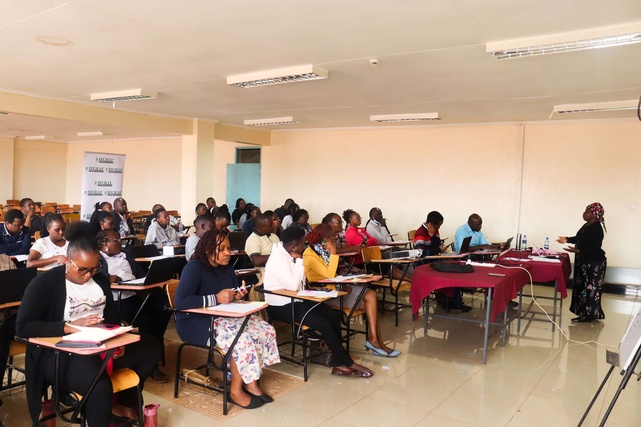
Pauline Waithira, County Health Records and Information Officer, presents mental health data and reporting gaps in Embu County.
The presentation emphasized that quality data is essential for evidence-based planning and budgeting. Accurate documentation also supports referral pathways, helping clients move from communities to health facilities and reducing the risk of people being lost along the continuum of care.
Mental health cases are captured and classified under 20 mental health disorder categories within the TaifaCare platform. These categories cover a broad range of conditions, including anxiety and depressive disorders, schizophrenia spectrum and other psychotic disorders, bipolar disorders, substance use disorders, neurodevelopmental and neurocognitive disorders, stress and trauma-related disorders, and other mental health conditions. Together, the indicators provide a structured basis for documenting and monitoring mental health service utilization and understanding the conditions being reported and managed across health facilities.
The data generated through these indicators provides insights into the mental health conditions being reported in the county. The top 10 most commonly reported cases are as shown below:
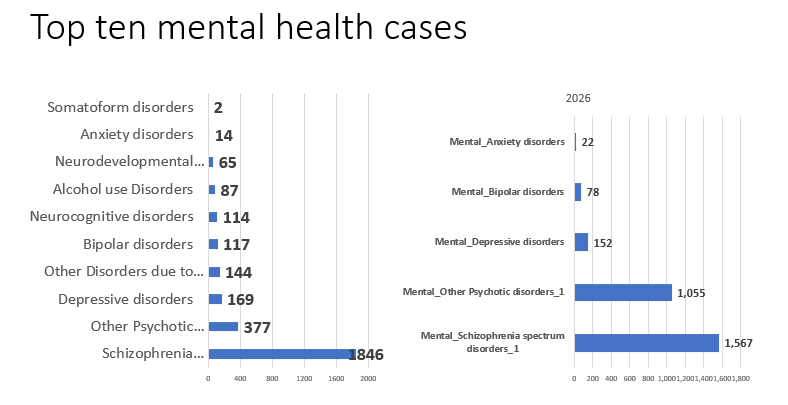
Figure 1: Most Commonly Reported Mental Health Conditions in Embu County
The data highlights the range of mental health conditions being reported across the county and demonstrates the value of structured digital reporting in understanding service utilization. This information can support county health teams in identifying service needs, informing planning and budgeting, allocating resources, and strengthening appropriate care and follow-up.
Community-level data further demonstrated the growing demand for mental health services. Referrals recorded through the electronic Community Health Information System (e-CHIS) showed substantial utilization of mental health services across several sub-counties.
Mental Health Referrals Recorded Through e-CHIS
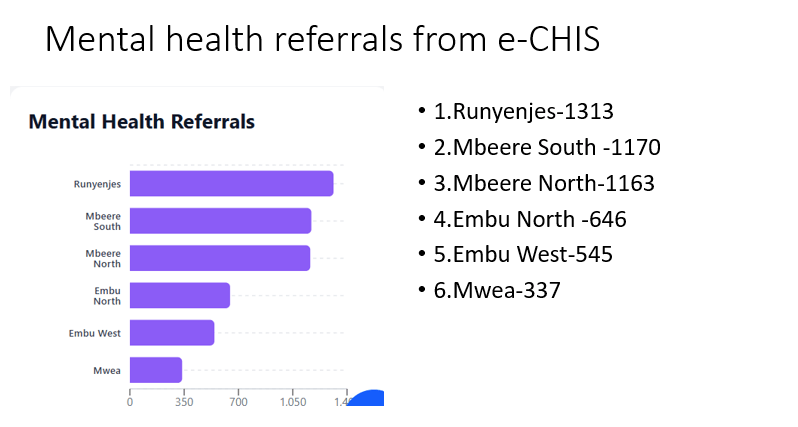
Figure 2: Mental Health Referrals Reported Across Embu County Source: e-CHIS Mental Health Referral Data.
The figures demonstrate the critical role of community health systems in identifying individuals who need mental health support and linking them to care. They also reinforce the importance of accurate reporting systems that can track referrals, reduce patient drop-offs, and provide timely information for planning and resource allocation.
Building Capacity for Better Mental Health Care
Building on the data review, Walter Andande, County Digitization and SHA Officer, guided participants through sessions on mental health data quality and use, including best practices in documentation, reporting, and the utilization of data for decision-making. Demonstrations of TaifaCare showed how mental health services can be systematically recorded, tracked, and reported.
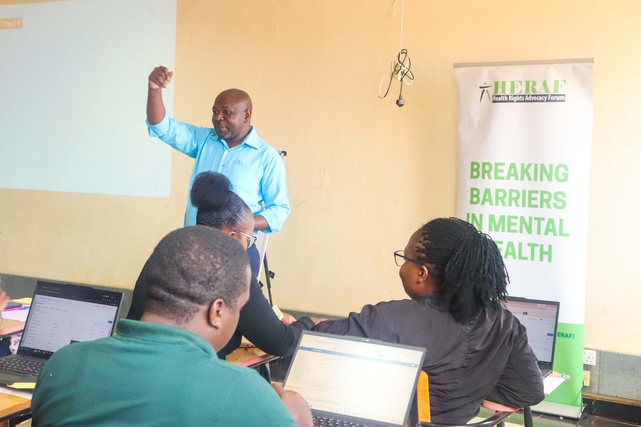
Walter Andande, County Digitization and SHA Officer, facilitates the TaifaCare on-boarding session for healthcare workers in Embu County.
A key highlight was the hands-on practical session, where participants worked through case scenarios and documented mental health services directly within TaifaCare. The exercise strengthened their confidence in using the platform and demonstrated how digital reporting can be integrated into routine clinical practice.
The session was highly interactive. Participants asked questions, shared experiences from service delivery, and identified practical solutions to common reporting challenges. For example, it was noted by the facilitator that some participants proceeded directly to the mental health screening section without first capturing patient information at triage. This provided a valuable learning opportunity on the importance of complete and accurate documentation to support continuity of care, reporting, and patient follow-up.
Addressing Mental Health Service Delivery Challenges
During her presentation, Pauline Waithira highlighted priority areas for strengthening mental health services in Embu County. These included expanding the mental health workforce, increasing investment in mental health programming, enhancing psychosocial support services, and broadening partnerships to support county mental health priorities.
Alongside these priorities, she presented recommendations aimed at strengthening mental health service delivery. These included increased investment in training mental health specialists such as psychiatric nurses and clinical officers, allocating greater resources to mental health activities, strengthening partner engagement, and recruiting or deploying clinical psychologists to support both patients and healthcare workers.
The discussions reinforced the importance of a comprehensive approach to mental health systems strengthening. By combining digital innovation, workforce capacity building, strong partnerships, and data-driven decision-making, counties can continue advancing access to quality mental health services.
Strengthening Mental Health Systems Through Data and Digital Health
In his closing remarks, HERAF’s Executive Director, Edward Miano, reaffirmed the organization’s commitment to strengthening mental health systems in partnership with the Embu County Government and other stakeholders. He reflected on HERAF’s work in advancing health rights, mental health integration, and health systems strengthening across Kenya, while emphasizing the importance of clean, accurate, and timely data for effective planning, resource allocation, and service delivery.
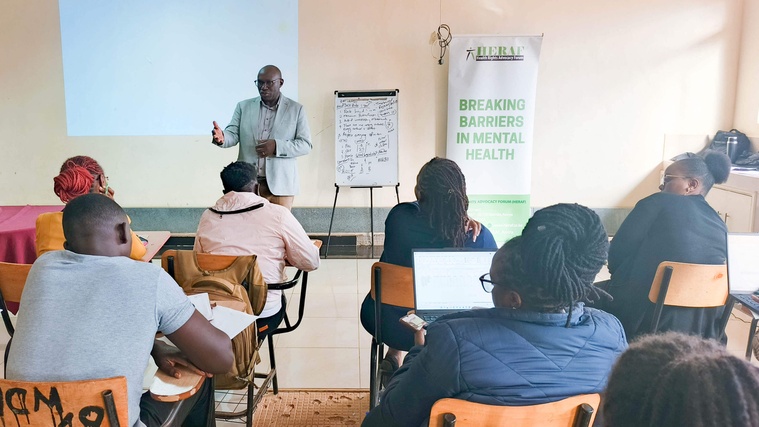
HERAF Executive Director Edward Miano delivering closing remarks during the TaifaCare on-boarding session in Embu County
The on-boarding of healthcare workers onto TaifaCare marks an important milestone in Embu County’s journey towards a more responsive, integrated, and data-driven mental healthcare system. Through strengthened reporting, improved referral tracking, and enhanced use of data, healthcare workers will be better equipped to support continuity of care and informed decision-making.
With support from Comic Relief, HERAF remains committed to working alongside county governments, healthcare workers, communities, and development partners to advance practical approaches that strengthen mental health integration and contribute to health systems that are responsive, equitable and people-centered.
